Tuesday, May 29, 2018

Materials and Structures update

Dear Parents,

I've been waiting for an opportune moment to go through our Scientist in Schools photos for a grand post, and here we are, a week later.

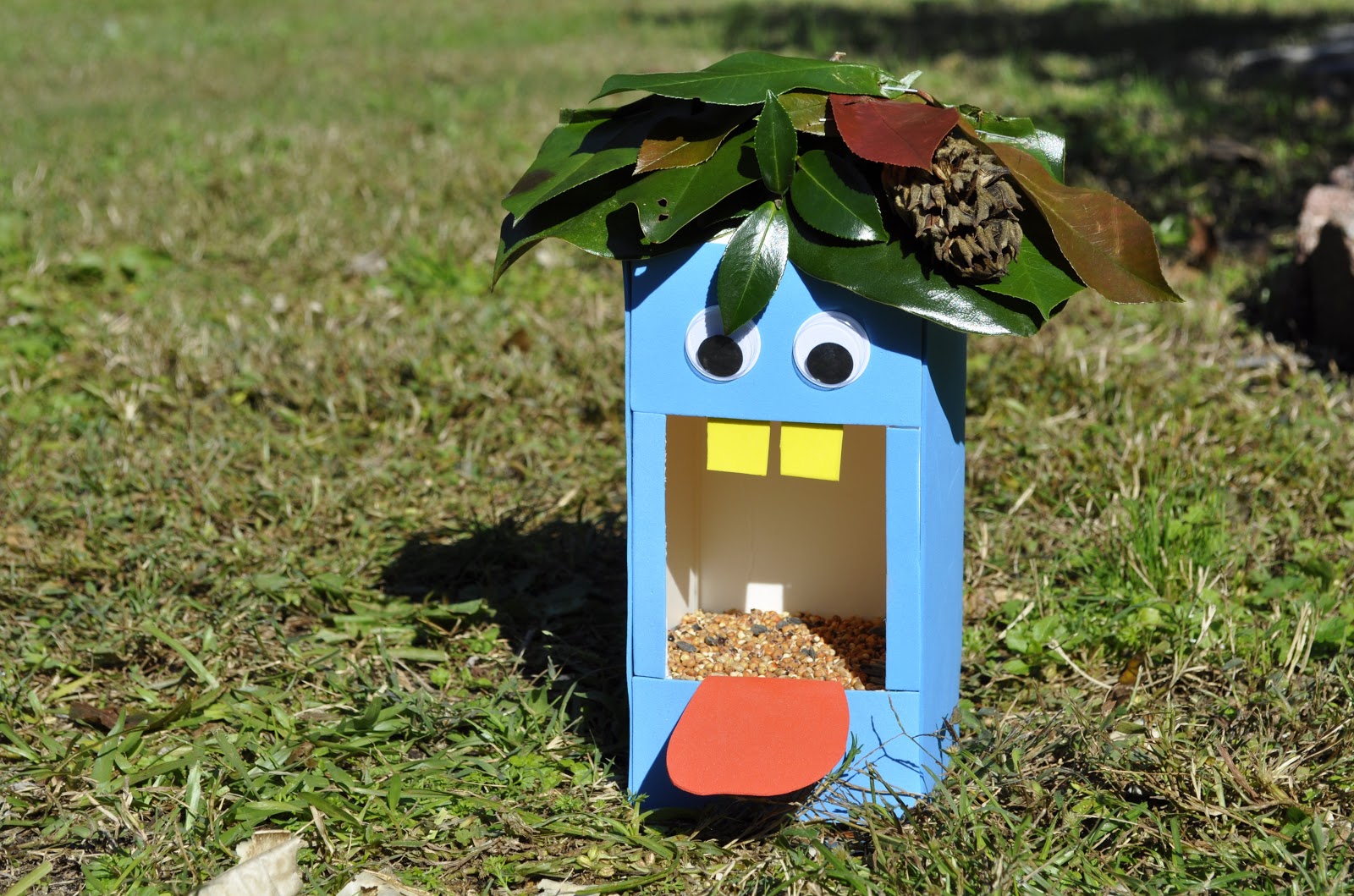
Before getting to them, I wanted to remind you of the upcoming project deadline for our birdhouse project, due this Monday, . Ideally, students should have tested out their projects to see whether they were feeding squirrels and raccoons before their presentations.

I also sent home a number of summer school application forms for students last week. Here's a link to more information about these programs.  TDSB elementary summer program

I had a number of students attend last year who were happy to continue to have some structured learning during the summer months. If you are interested or need more information, please get in contact.

On to Scientists in Schools. Many thanks to Heather, Bri, Kerri, and Mira for pinchhitting at the last moment at the stations.

Students sorted different types of materials

They investigated different fasteners


Built hopefully stable structures as a team. 


Learned about how to make structures more stable by adding foundations


Built structures for different purposes


Played with tools, using different fasteners


Learned about what kinds of shapes are the most stable


It was a very busy afternoon with lots of great learning and engagement. For our conclusion, we began building chairs out of newspaper, but ran out of time. We still haven't completed them yet. In class, we've been focusing on the strengths and weaknesses of different materials to build, and we'll come back to these as an end of unit focus. 

Sincerely, 

Ms. Goegan


Tuesday, May 15, 2018

Brief Scientists in Schools Note

Dear Parents,

I could use 1 more volunteer for Thursday afternoon's Scientist in Schools. I have followed up with parents who emailed me, but I'm sure there were a couple more who spoke to me offhand about volunteering. Please be in touch and let me know as soon as possible, if you're available.

Thank you very much to parents who have sent in newspapers! We look forward to using them to make some cool structures on Thursday.

Sincerely,

Lisa

Monday, May 7, 2018

For the brids!

Dear Parents,

It's been a while since I posted here.

I'm handing out a bird feeder project today for our Science unit on Materials, Objects, and Everyday Structures. It will be due June 4th, 2018 and students are expected to complete it at home. If support is needed, please let me know.

Here's a link showing what students in a previous class did with their bird feeders:
http://msgoegan.blogspot.ca/2017/06/birdhouse-workshop.html

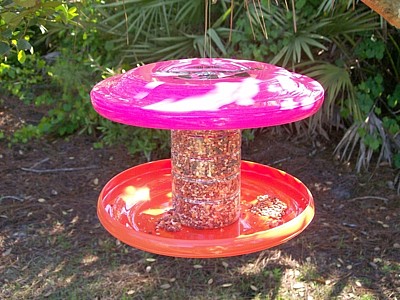
Here are some ideas we liked from our class google image search:
Image result for bird feeder recycled materialsRelated imageImage result for bird feeder recycledImage result for bird feeder recycled
Image result for bird feeder recycled materialsImage result for bird feeder recycled materialsImage result for bird feeder recycledImage result for bird feeder recycled materials

I also wanted to update you regarding two other things that are upcoming for the class:

  1. The afternoon of May 17th, we will have Scientists in the Schools come in to do activities related to our Materials unit in Science. We will need a great deal of newspapers for this afternoon and 4 parent volunteers (which I will confirm by email).   If you subscribe to a paper, please save it for us rather than recycling. 


  2.  We also have a year end trip to the AGO on June 19th. I’m hoping to receive all the monies and forms for this trip as soon as possible so I can finalize the paperwork.  Please let me know if extra forms are needed.

Thanks for all your emails and questions,

Lisa

Monday, March 26, 2018

Drumming, dictionaries, dna, and data management

Dear Parents,

We've had a momentous March with lots of learning and special events. It's been hard to find the time to blog, but I wanted to update you on where we are. 

Last week, we had a performer teach us a bit about West African drumming, and some students got to try it out.


Language:

We've examined a variety of non-fiction texts, like books about animals and body systems. Students are beginning to become familiar with some non-fiction features like graphs, captions, glossaries, and indexes. We've also looked at some specialized texts like atlases and dictionaries so I can teach students to use them directly.

A great book for our dictionary adventures has been "The Great Dictionary Caper", which helped inspire some of these dictionary reading responses.

I can use the dictionary to find...words that say butterfly


I can use the dictionary to find ... rhyming words

I can use the dictionary to find... words that turn into other words

I can use the dictionary to find... new animals and mores stuff too. 

I can use the dictionary to find...new words and old words. 

Most students have now moved up a level in their reading and some are ready to try moving up 2 or 3 levels. Students at D level are working on long vowels and comprehension. Students at F are working on building fluency and comprehension. Students at I are building sight vocabulary with "ea" and "ai" words right now. Students at J are working on showing their thinking and adding details. All students continue to work at using lower case letters and word wall vocabulary when they're writing in their journals.


Science:

We're finishing up our Living Things units. Students presented their animal projects and took a quiz showing their comprehension of what they presented. I've been working on answering student questions and looking at different body systems as well.

We had Sci High in the classroom to teach us about dna. Students looked at mice that had been genetically altered to glow in the dark with the insertion of jellyfish dna, and extracted some dna from a banana.


 Math:

Right before March Break, we finished our unit on Data Management. Students took home their worksheets (stapled into a makeshift package), as well as their final assessments. In general, students were able to make graphs and read graphs, but less able to talk about the information a graph gave them or to think about the data they got. Looking at a variety of data sources critically will be a continued goal for our class.  Here are some of the more cogent responses:


Currently, we're working on addition and subtraction and using coins to think about 10's and 1's. Students are working on using dimes and pennies to count out small amounts. Next steps are using nickels, quarters, and higher numbers.

Thanks for checking in. As always, I hope to blog more frequently in the coming weeks and I'm excited about our next steps.

Sincerely,

Ms. Goegan